

Missing teeth can make regular activities, like eating, speaking, and smiling, feel frustrating or even embarrassing. If traditional dentures slip, shift, or feel uncomfortable, you may be wondering whether there’s a more secure, natural-feeling solution. Implant-retained dentures offer a modern alternative, using dental implants to anchor your dentures in place for improved stability, comfort, and confidence.
At Hampton Dental Associates, patients receive advanced implant dentistry backed by more than a century of family tradition and dedication to exceptional care. Led by Dr. Richard Winter, a Milwaukee Top Dentist for over a decade, our team combines state-of-the-art techniques with the compassionate approach that has defined our practice for four generations.
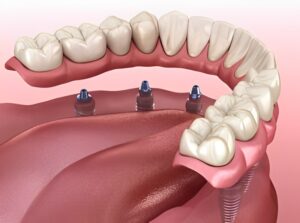
What are Snap On – Bar Overdentures?
Certainly, when conditions are optimal and budgets allow the most ideal treatment is “fixed” or non-removable teeth. This is accomplished with implant supported bridges or hybrid prostheses which are screw retained or cemented implant dentures. When we must be more budget minded an overdenture may be the treatment of choice. This involves putting in implants and either connecting the implants with a bar which a denture may snap on to or it may involve having a denture snap directly into individual implants via a retentive device. Implant over-dentures that are connected with bars enjoy more support, stability and retention.

What are the Benefits of Implant-Retained Dentures?
Implant-retained dentures are made to mimic natural oral structure as optimally as possible. Your new implant retained dentures should provide you with benefits such as:
- Natural comfort. Snapped into place, your dentures should feel so much like natural teeth that you hardly notice a difference.
- Optimal health. Being a more stable option than traditional dentures, your implant-supported or retained dentures allow you to maintain a well-balanced diet that includes a variety of nutritious foods.
- Easy care. If you choose fixed dentures, you'll brush your teeth as you normally would. If your overdenture is removable, you'll remove it every day to soak it in an approved cleanser.
- Optimal confidence. Your artificial teeth are made to complement your complexion and bring out the best in your smile. Affixed to dental implants, these teeth will feel as natural as they look!
If My Dentures Affix to a Bar, Are they Removable?
Implant Dentures can be fixed (non-removeable) or removable.
Fixed dentures are called bridges and the dentist can remove them but they stay in 24/7. They are usually screw retained but can also be cemented on to dental abutments or chimneys that are screwed into the implants.
Removable implant dentures can snap on to attachments that are screwed into the implants. These are called Snap-on-teeth. They are removable by the patient and they can be thought of as a way to eat, talk and chew with more stable dentures. The more implants you have, the more stable the chewing experience. If someone has a 2 implant overdenture it still can move in the back of the denture and food can still find it's way under the denture acrylic. If you have a 4 implant overdenture, it will be like having 4 legs on your chair. Very stable with less rocking. Six implants can give you more hold, around the arch and can often be converted to a fixed bridge at a later date.
Many implant options can also include a bar. If implants are connected with a bar, the denture has a very stable foundation on which to sit. The denture will be reinforced with metal and have clips internally to clip on to the bar. It's an excellent option and costs more than a traditional snap-on-denture. Once you factor in the cost of the bar and metal re-inforced denture you may be close to affording a totally fixed bridge. Dr. Winter and his associates are happy to discuss what's best for you. You may require a CBCT or CAT scan to assess your bone quality and quantity to see which options are available to you.
How Do I Maintain Implant-Retained Dentures?
Your implant-retained dentures are made of durable materials that are not susceptible to decay. Regardless, it's imperative that you perform the recommended oral care that your dentist advises based on your case and your oral health needs. If you have removable dentures, you may remove the appliance before bed and soak it in an approved solution overnight. After removing the appliance, you'll need to carefully clean your gums around the bar or dental implant posts. If you have dentures that are fixed to dental implants, meaning that they are not removable, your dentist will demonstrate how you should brush your teeth every day. Depending on your situation, you may also be advised to floss. Finally, you can expect the longest-lasting results from your dental implant treatment when you continue seeing your dentist every six months. These visits will examine your gums to make sure they're healthy and free of gum disease, as well as your dentures to make sure they are not developing excessive wear and tear.
Can I Eat Whatever I Want with My Implant-Retained Dentures?
Once you've adjusted to your implant-retained dentures, you can expect to eat most if not all of the foods you love to eat. There are a few exceptions. These may include nuts, seeds, and popcorn, all of which might slip under your denture and cause inflammation and irritation to the gums. Your dentist may also recommend that you avoid foods that are very hard or very chewy, such as caramel candy.
You may need to make a few changes to your diet or way of eating as you get used to your new implant-retained dentures. When your implants are newly inserted, you may feel most comfortable eating a soft-food diet that includes yogurt and smoothies, pasta, eggs, and soft-cooked vegetables, for example. In addition to eating softer foods, it can be beneficial to chew slowly and to cut foods into bite-sized pieces. Doing this helps prevent unexpected accidents like biting your lip or cheek while your tongue and mouth get used to your new teeth.
When someone is unfortunate enough to lose their teeth, it doesn't mean that you are doomed to live the rest of your life in dentures. Dentures can affect your taste, chewing ability, saliva, enjoyment of food and longevity. So before you lose your teeth, ask about how to convert to dentures with implants or implant bridges ASAP so you have the bone needed to support implant overdentures or bridges before more costly bone grafting procedures are required.
We tell our patients that dentures are temporary prostheses. No one should ever think that when they get dentures they are done with dentistry as dentures should be relined or remade every 3-5 years. Each replacement denture has less bone than the set before as bone leaves from denture friction and usage. Ask your dentist about our Upgradeable dentistry options and watch Dr. Winter's videos so you know how to plan for a better tomorrow.
What other options are available?
Locator attachment dentures or partials are snapping on and off of individual implants. This increases the forces to each individual implant as they are not splinted together for strength. These are excellent prostheses when a patient cannot afford a bar over denture, or implant bridge.
How do I know which implant or denture method is best for me?
Sometimes patients may have individual implants and a snap-on denture made and after a year or two they may add implants and upgrade to a bar overdenture or implant bridge. So the sequential improvement of implant dentistry allows patients to begin to restore their bites and smiles at a pace they can afford!
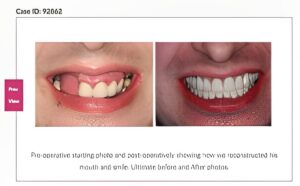
View Real Patient Results
Bar Overdenture
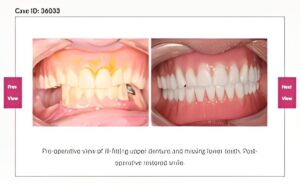
Snap On Denture
Hear What Our Patient Has to Say:

Why Choose Hampton Dental Associates for Implant-Retained Dentures
At Hampton Dental Associates, implant dentistry is supported by generations of experience and a commitment to providing the highest quality care. Our practice has proudly served the Milwaukee community for four generations, combining traditional values of compassion and patient-focused care with modern advancements in dental technology. We take the time to understand each patient’s goals and design personalized treatment plans that restore comfort, function, and confidence.
Dr. Richard Winter brings exceptional expertise in implant and reconstructive dentistry, holding advanced credentials including Diplomate status with the American Board of Oral Implantologists, Fellowship with the American Academy of Implant Dentistry and Diplomate of the International Congress of Oral Implantologists-these are the largest Implant organizations in the world. With extensive continuing education, published research, and years of experience restoring smiles, our team is dedicated to delivering durable, natural-looking results in a welcoming, family-centered environment.
Frequently Asked Questions
Do implant-retained dentures look natural?
Yes, implant-retained dentures are designed to look very natural.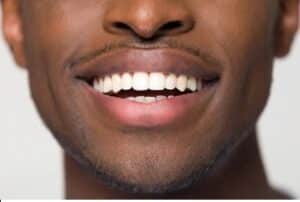
Are implant-retained dentures comfortable?
Most patients find implant-retained dentures much more comfortable than traditional dentures. The implants hold the denture firmly in place, reducing slipping, movement, and gum irritation. While you may read that only two implants are required for implant supported dentures, it is not uncommon to use 5 or more in the upper arch and 4 or more in the lower arch to provide optimal retention. Two implants in the lower arch still allow your dentures to lift in the back and get food stuck under the denture flanges.
How long do implant-retained dentures last?
With proper care and regular dental visits, implant-retained dentures can last many years. The dental implants themselves can often last decades, while the denture portion may need adjustments or replacement over time due to normal wear. Maintaining good oral hygiene and attending routine checkups can help extend their lifespan. Because you can chew better with implant over-dentures, the plastic denture teeth can wear out at a faster rate! So implant over dentures will need replacement or relining at 3-5 years.
What is the process for getting implant-retained dentures?
The process typically begins with a consultation and exam to determine candidacy. Once a treatment plan is established, you will undergo a CBCT or CAT scan to evaluate the bone and create a surgical guide so the implants can be safely placed within the confines of your bone. Then surgery to set so dental implants can be placed in the jawbone to serve as anchors. After a healing period (a few months) during which the implants fuse to the bone, a custom denture is created and securely attached to the implants for a stable, functional smile. We always make metal re-inforced dentures as the "snaps" take up room in the denture and can make the denture thin and more prone to fracture and having implants reconnects your brain to your bone so you can bite harder! These extra chewing forces can also lead to denture fracture. So we make metal in our dentures to withstand the increased biting forces! This means you can eat harder foods!
Will I need a bone graft before getting implant-retained dentures?
Some patients may need a bone graft if they do not have enough healthy jawbone to support dental implants. A bone graft helps strengthen the area and create a stable foundation for implant placement. If there is not enough bone, implants cannot be placed.
Can you get implant-retained dentures at any age?
Implant-retained dentures are an option for many adults, including older patients. The most important factors are overall health and having enough jawbone to support dental implants. Your dentist will evaluate your oral health and medical history to determine if this treatment is right for you.
Are implant-retained dentures available for the upper and lower arch?
Yes, implant-retained dentures can replace missing teeth in the upper, lower, or both arches. The number of implants required may vary depending on the arch and the patient’s bone structure.
At Hampton Dental Associates, we will educate you and try and work within your budget to help you achieve the smile of your dreams. While most insurances do NOT cover implant overdentures, they may say that they do cover implants! It is important to know that if your insurance only covers $1000 per year, the cost of implants and overdentures may need to be paid for by you as insurance companies will default to what is cheapest for them to cover. Don't be fooled by your insurance, a coverage of 80% only means 80% up til they hit the maximum yearly amount of $1000 for example. We are happy to discuss Care Credit and other methods of financing your new smile.
Call Hampton Dental Associates For Implant Retained Dentures!
Interested in learning more about Implant Retained Dentures and whether you are a candidate? Call 414-464-9021 today or fill out the form in our contact page. The skilled dentists at Hampton Dental Associates, SC serve Milwaukee and the surrounding areas of Wisconsin.
Check out our Dental Blog >>
Read our Patient Case Studies >>
Hampton Dental Associates is proud to offer affordable dentistry programs to help you regain your perfect smile.
Learn more about our affordable dentistry options.