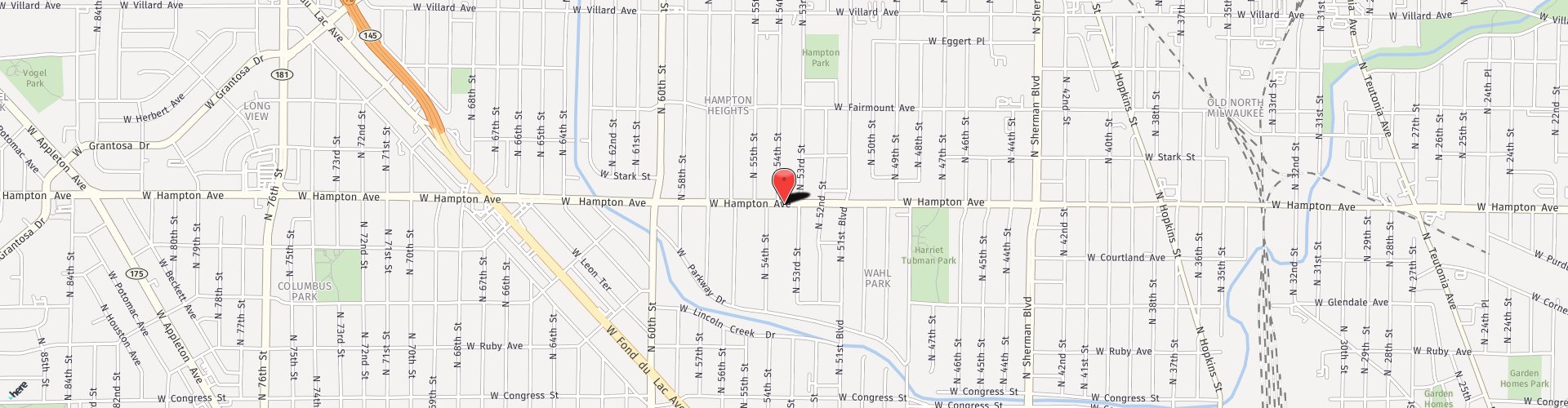



Hampton Dental Associates has served Milwaukee families through four generations of dentists, combining traditional values with progressive restorative care. The team uses high-quality materials and customized treatment planning to help patients protect their crowns, preserve their natural teeth, and maintain lasting oral health.
How a Cavity Can Form Under a Crown
A crown is placed over the natural tooth, but it does not make that tooth immune to bacteria. Plaque can accumulate near the edge where the crown meets the gumline, gradually damaging exposed tooth structure and causing decay.
Decay beneath a crown may occur because of:
- Inadequate brushing or flossing around the crown
- A crown that has become loose or damaged
- Gum recession that exposes the tooth root
- Small gaps developing between the crown and tooth
- Frequent consumption of sugary foods and drinks
- An older crown that no longer fits properly
Signs of Decay Beneath a Dental Crown
A cavity under a crown does not always cause symptoms immediately. As the decay progresses, you may notice:
- Sensitivity to hot, cold, or sweet foods
- Pain when biting or chewing
- Tenderness or swelling near the crowned tooth
- Persistent bad breath or an unpleasant taste
- A dark line near the crown’s edge
- A loose or shifting crown
Tooth sensitivity can have several possible causes, including decay, fractures, worn restorations, and exposed roots, so a dental evaluation is necessary to determine the source.
Treating a Cavity Under a Crown
Treatment depends on where the cavity is and the severity of decay. Your dentist will usually need to remove the crown to examine and treat the underlying tooth.
Minor decay may be repaired before a new crown is placed. More extensive damage may require root canal treatment, a core buildup, or another restorative procedure. If the tooth cannot be saved, extraction and replacement with a dental implant or bridge may be considered.
Protect Your Crown and Natural Tooth in Milwaukee, WI
Daily brushing, careful flossing around the crown, and routine dental visits can help your restoration last longer while protecting the tooth beneath it. Call 414-464-9021 to schedule a consultation and learn how you can preserve your smile.